Salernitana Tifosi Rage: Iervolino, Faggiano & Club Face Permanent Protest
The air around the Stadio Arechi, usually thick with the passionate roar of Salernitana supporters, is now charged with a different kind of intensity: anger, disappointment, and a fierce demand for accountability. What began as isolated pockets of discontent has rapidly escalated into a widespread and permanent **Salernitana contestazione**, targeting club owner Danilo Iervolino, sporting director Daniele Faggiano, and indeed, the entire club management. Fans, feeling betrayed by unfulfilled promises and a string of dismal performances, are no longer content with mere grumbles. They are unified in their call for drastic change, threatening an unyielding protest until their voices are heard and tangible actions are taken. This isn't just a momentary outburst; it's a deep-seated crisis that threatens to define the future of US Salernitana.
The Seeds of Discontent: Promises Unkept and Performance Woes
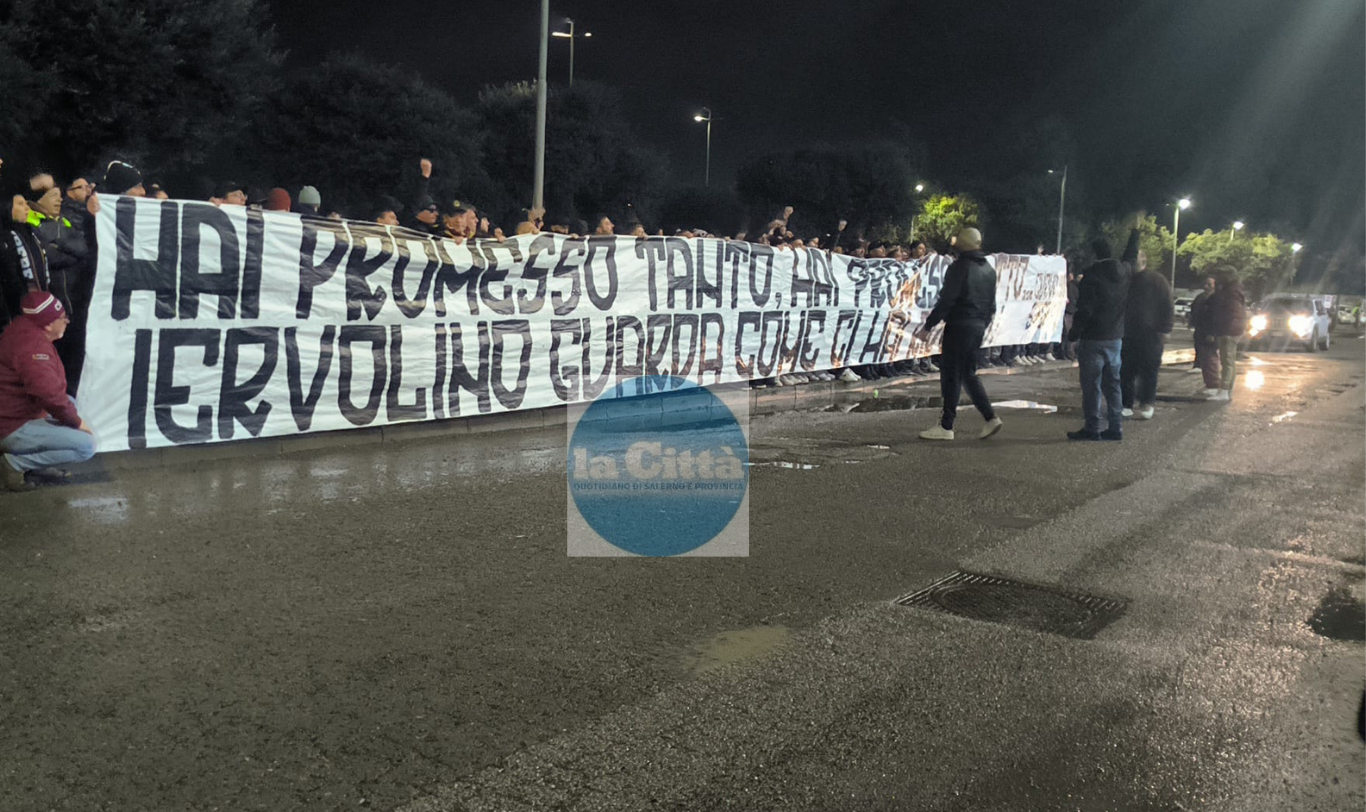
The initial rumblings of the **Salernitana contestazione** emerged conspicuously before a home fixture against Casarano. Outside the Arechi stadium, members of the Curva Sud Siberiano, the vibrant heart of Salernitana's ultra-fan base, made their dissatisfaction unequivocally clear. Their chants resonated with a poignant blend of frustration and defiance: "Iervolino, la senti questa voce? Vattene!" (Iervolino, do you hear this voice? Go away!) and "Hai promesso tanto, hai promesso tutto. Iervolino guarda come ci hai ridotto!" (You promised so much, you promised everything. Iervolino, look how you've reduced us!).
These powerful declarations were amplified by an equally direct banner proclaiming, "Hai promesso tanto, hai promesso tutto. Iervolino guarda come ci hai ridotto." The target was not just the club owner but also the sporting director, Daniele Faggiano, who was collectively held responsible for the team's dire state. The sentiment was clear: the fans felt that the promises of a brighter future, stability, and ambition made by Iervolino upon his arrival had evaporated, leaving behind a team struggling and a fan base disillusioned. This initial display of the **Salernitana contestazione** was not spontaneous; it was a pre-announced act of defiance, communicated through a communiqué, with the Curva Sud Siberiano stating their intention to protest while still maintaining their presence within the stadium to support the team itself. This dual stance highlights the complex loyalty of the ultras – a deep love for the club, separate from their disdain for its current management.
Escalation Beyond the Stadium: "Shame" at Mary Rosy
The fan unrest, far from being confined to match days, soon spilled over into the club's everyday operations, signaling a significant escalation of the **Salernitana contestazione**. The training ground, Centro Sportivo Mary Rosy, became the next focal point. As coach Serse Cosmi's squad underwent their final training session in preparation for a crucial match against Latina, banners once again appeared. The Centro di Coordinamento Salernitana Clubs, a broader organization representing various fan groups, unfurled a banner that read: "Non meritate la nostra passione… Vergognatevi" (You don't deserve our passion… Shame on you!).
More explicitly, another banner, likely from the ultras, declared, "A.A.A. Cercasi le palle" (AAA Balls wanted), a direct and provocative challenge to the players' perceived lack of fighting spirit and commitment. Chants were directed at the players as they trained, creating an undoubtedly tense and uncomfortable atmosphere. This extension of the **Salernitana contestazione** to the training ground is particularly impactful; it disrupts the team's focus, adds immense pressure to the players, and signals to the management that fan discontent is pervasive and unwavering. The psychological toll on both players and staff in such an environment can be crippling, potentially affecting performance on the pitch. It also foreshadowed a significant drop in attendance, with reports anticipating a sparsely populated Stadio Arechi for the Latina game – a painful symbol of a fractured relationship between club and supporters. This critical phase of the protest, moving from the stands to the very heart of the club's daily operations, demonstrated the fans' resolve. For more details on how the protest spread, you can read about it here:
Salernitana Protest Spreads: From Arechi to Mary Rosy, Fans Unite.
The Ultimatum: Permanent Protest and a Call for Change
The most significant development in the **Salernitana contestazione** came with the declaration of an "ultimo appello" (last appeal) and an unwavering commitment to "contestazione permanente" – permanent protest. This powerful announcement, issued by the Centro Coordinamento Salernitana Clubs in a comprehensive press note, signifies a new, more aggressive phase of fan action. It clarified that while the team itself would continue to receive support, the deep dissatisfaction with the club's management would be voiced "with all legitimate and civil means," both home and away.
This permanent protest strategy goes beyond Salerno, with plans to involve affiliated clubs nationwide. The symbolic striscione (banner) bearing their grievances is set to appear not only at the Arechi but also in central and northern Italy, showcasing the extensive network and unified resolve of the Salernitana faithful. This coordinated effort highlights the power of fan organization and its potential to exert significant pressure on club owners. The crux of their ultimatum is clear: "Vogliamo i fatti a gennaio per invertire la rotta, altrimenti ne tragga le logiche conseguenze, venda la società e ci saluti" (We want action in January to change course, otherwise, draw the logical conclusions, sell the club, and say goodbye).
This declaration outlines three non-negotiable demands from influential fan groups including Centro Coordinamento, Salerno Club 2010, Generazione Donato Vestuti, and Club Mai Sola:
- Clarity: An end to ambiguity and a transparent vision for the club's future.
- Strategic Planning: Immediate and effective planning for the upcoming January transfer window, empowering "the only competent football people" to make decisions crucial for salvaging the season.
- Accountability: The removal of all management figures deemed responsible for the club's current predicament.
The emphasis on empowering "competent football people" resonates with insights from experienced sports directors like Petrachi (as mentioned in the context, though not necessarily the current DS), who previously stressed the need for an active and engaged owner. The fans' ultimatum is a stark warning: deliver tangible results and a clear direction in the crucial January transfer window, or face the ultimate consequence – a demand for Iervolino to sell the club. This pivotal moment for the club and its owner is explored further in:
Salernitana Fans' Ultimatum: Clarity, Program, or Iervolino Exit.
What's Next for Salernitana? Navigating the Storm
The current climate at Salernitana is one of immense pressure and uncertainty. While the team, under coach Colantuono, attempts to find stability through intensive training and early retreats (ritiro anticipato) – a common tactic to foster team cohesion and minimize distractions – the real battle lies off the pitch, in the boardroom and with the club's relationship with its supporters. The **Salernitana contestazione** is a potent force that can make a club ungovernable if left unaddressed.
For Danilo Iervolino and his management, this is a make-or-break period. Ignoring the fans' demands would be a catastrophic miscalculation. History is replete with examples of clubs where sustained fan protests have led to significant changes in ownership or management. To navigate this storm, the club must consider several strategies:
- Open Dialogue: While direct engagement during protests can be tricky, a clear, empathetic communication strategy outlining a plan of action is essential.
- Transparency: Provide honest assessments of the club's challenges and realistic solutions, especially regarding financial capabilities and transfer market strategies.
- Tangible Actions in January: The January transfer window is not just about signing players; it's about signaling intent. Smart, targeted acquisitions that genuinely strengthen the squad and address fan concerns are critical. Empowering a competent sporting director with real autonomy is paramount.
- Accountability and Restructuring: Seriously evaluate the performance of key management figures. Removing those perceived as incompetent or responsible for the current crisis could be a crucial step in rebuilding trust.
The future of Salernitana hinges on the decisions made in the coming weeks and months. The passionate Salernitana faithful, having invested their hearts and souls into their club, have drawn a line in the sand. Their **Salernitana contestazione** is not a fleeting grievance but a deeply rooted expression of a community's fight for the dignity and future of its beloved team. The ball, quite literally, is in the club's court.